

Research
It is a good idea to start thinking about research opportunities early on in your undergraduate degree, as it can take time to find a research project that aligns with your interests and a professor who is willing to take you on. Here are some tips for gaining research experience:
Talk to professors and students and attend research talks to learn about what others are working on.
Once you've found a few professors whose research aligns with your interests, reach out to them. Be prepared to discuss their research, explain why you're interested, and describe how your skills and experience make you a good fit to work with them.
Remember: you are an undergraduate. You most likely do not have research experience, but you have other skills that can be applied.
Faculty members without listed labs on the Academic Faculty list can still supervise honours thesis students. The same also applies to Adjuncts.
Psychology students can also reach out to faculty members outside of Psychology if need be.
The easiest way to find researchers/faculty members who align with your interests is to search keywords in the Research Experts Search. You can also view the academic faculty and their area of research on the Faculty and Staff page through the Psychology Department
Find a Researcher
Students carry out a research project and write a paper throughout the term for credit. Research may include historical, theoretical, or experimental analyses of psychological problems. Students must contact a researcher and complete the form to register for the course.
PSYC 3520 Independent Research in Psychology I
PSYC 3560* Supervised Field Study in Psychology
PSYC 3590 Independent Research in Psychology II
Independent Research Courses

Psychology Labs
This lab works to understand the unique health-related needs of population groups, ascertain gaps in information and services, and work with groups to create information, resources, and services.

This lab uses a multimethod approach to identify and understand predictors of functional outcome in schizophrenia-spectrum conditions within a lifespan developmental framework.

This lab is dedicated to understand the relationship between infants' everyday language experiences and their language development.
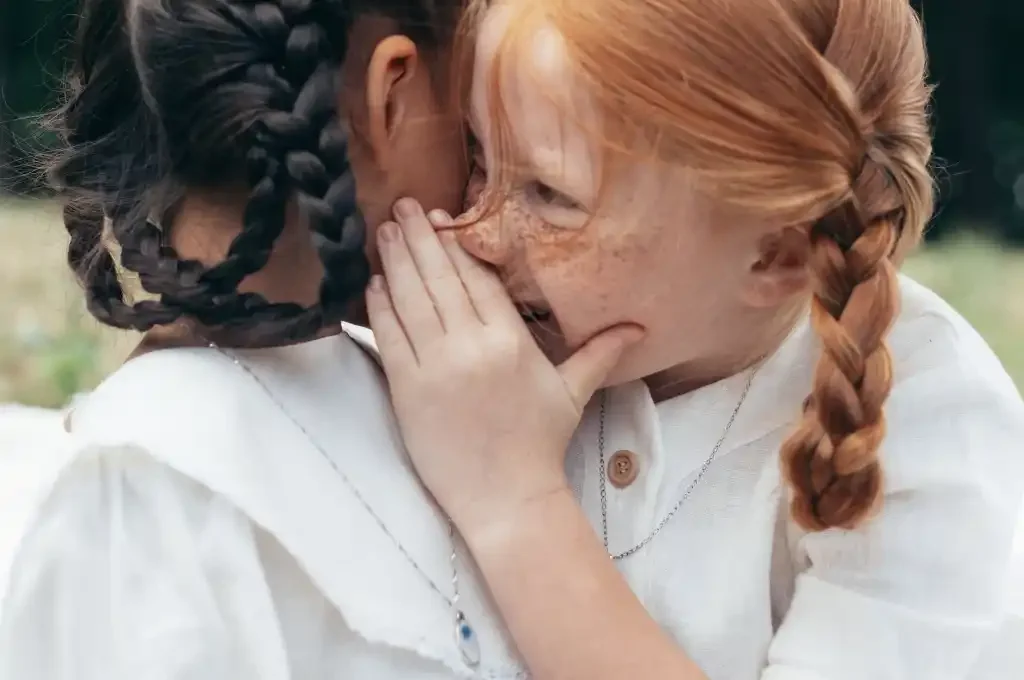
This lab studies how people understand the communicative intentions of speakers and how this ability develops.
This lab does experimental research to understand the factors that affect how children think and reason.

This lab is currently updating their website, please check in later for more updates.
This lab focuses on cognition and the consequences of learning and knowing more than one language.

This lab studies the social and personality factors behind the personal decisions that lead to our health and well-being.

This lab focuses on better understanding the functional architecture of visual perception and the visual control of action.

This lab examines the roles that visual processes play in reading success and failure, they also examine how the relationships between visual and phonological components in early literacy change with improved reading skill.

This lab studies the dynamics of personality, gender and sexual identity, beliefs and perceptions in the context of close, romantic relationships.

This lab investigates how people manage their attention and thoughts in everyday life, using immersive technology to study cognitive processes in realistic settings.

This lab focuses on social emotional learning, ASD, emotional intelligence, social-emotional interventions and knowledge translation.

This lab focuses on the intersection of personality, social psychology and social cognition, with a focus on interpersonal relationships.

This lab focuses on social inequality, specifically how inequality is maintained at individual and institutional levels.
This lab focuses on real back and forth social interactions, to better understand the rich dynamics of these exchanges.

This lab works on developing and implementing cutting-edge data analytics tools for data of diverse formats, structure, and scales, emerging from the social, behavioural, and health sciences.

This lab studies when, how, why and who stands in solidarity with others when it comes to social change.
This lab aims to understand how well-being changes in later life, and also to explore ways of helping older adults cope with age-related mental health problems.

This lab looks at how mental health impacts adverse health events, feasible interventions to improve health outcomes and the impact of anxiety and trauma-related disorders on physical health.
This lab focuses on, environmental influences on neurocognitive function, identifying caregiving practices that promote child resilience and dual-generation programs to support families of young children.


This lab focuses on family factors associated with child ADHD and interventions with very young children.
This lab conducts research that looks at the intricate workings of the human mind.